
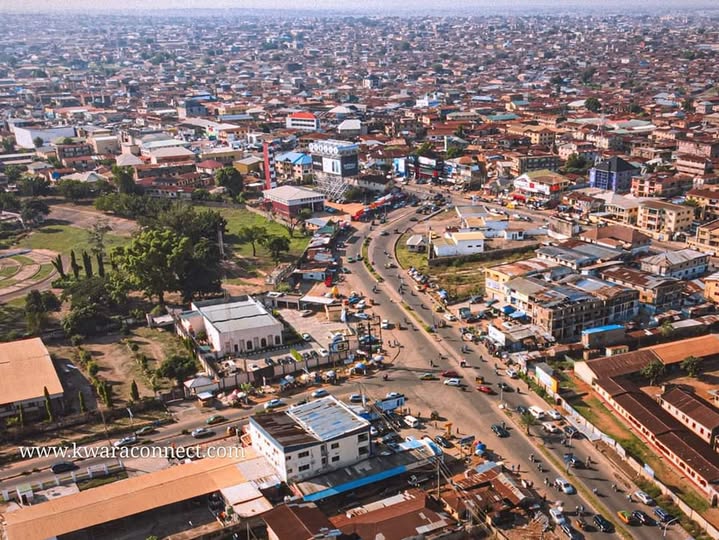
🌿 Tradition of Peaceful Coexistence
- Kwara’s title “State of Harmony” stems from Ilorin’s longstanding reputation as a confluence of Yoruba and Fulani cultures, as well as Muslim and Christian communities, living in relative harmony.
- Symbolically, Ilorin is sometimes called “Ilu Alfa” (“City of Scholars”), further reinforcing its identity as a center of learning and peace.
- Within the University of Ilorin, the campus is officially promoted as a “Campus of Harmony,” praised for its crisis‑free atmosphere and strong student‑management cooperation.
⚠️ Emerging Tensions
Rising Crime & Youth Violence
- Despite its peaceful image, Ilorin has seen a worrying uptick in armed robberies, cult-related violence, and kidnappings in recent years, leading residents to report increasing insecurity in formerly calm neighborhoods.
- Academic studies highlight the emergence of youth gangs operating in “ungoverned zones,” which is eroding trust and limiting community youth participation.
Religious & Cultural Conflicts
- In mid-2023, a heated dispute erupted over the proposed Isese Festival—celebrating Yoruba traditional religion—as some Islamic leaders in Ilorin opposed it and pressured for its cancellation. Critics saw this as a breach of constitutional religious freedom and an attack on Ilorin’s secular tradition.
- The Kwara police stepped in to calm tensions by mediating between Islamic clerics and traditional worshippers, affirming that Kwara remains a “state of harmony” and urging restraint on inflammatory rhetoric.
Efforts Toward Muslim Scholarly Unity
- In November 2024, Ilorin hosted Nigeria’s first National Muslim Peace Conference. Scholars emphasized tolerance, social equity, restrained preaching, and cooperation among religious authorities to foster peace and unity within the Muslim community.
🧭 Taking Stock: Is Ilorin Still a State of Harmony?
| Strengths | Challenges |
|---|---|
| Rich history of coexistence | Rising crime (cultism, armed robbery, gangsterism) |
| Strong academic institutions promoting peace | Religious flare-ups over festivals and traditional worship |
| Ongoing peace-building within Muslim leadership | Risk of youth exclusion and gated neighborhood fragmentation |
✅ Final Thought
While Ilorin remains symbolically and legally a “State of Harmony,” recent developments point to growing friction. Rising crime and cultural-religious tensions are testing the city’s historical identity. At the same time, efforts like inter-religious dialogue, peace conferences, and stronger policing provide hope that Ilorin can reclaim and strengthen its legacy of peace.

